Controlling the segments of a peristaltic probe

When the device is moving, some segments are in contact with the surface while others are not. In order to generate a continuous motion, the segments which are not in contact with the surface move to a new position.
The motion of the device is similar to a wave flowing in longitudinal direction and the maxima of these waves are in contact with this surface. A moving wave displaces maxima and minima in the direction the worm is creeping and shows the movement of the worm in relation to its environment.
This means, that some periods of the wave, at least fragments of it, are moving along the surface of the device.
 
Source of energy
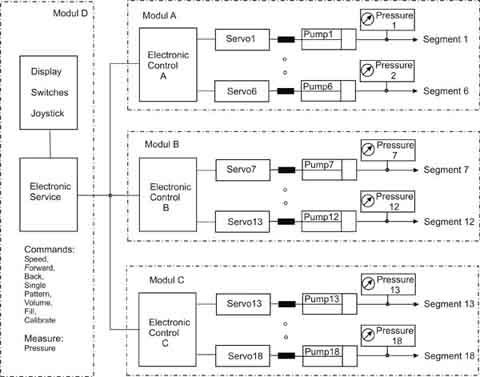
The available space of the device is very limited, therfore the energy source and the control logic have to be placed outside the device.
In this case, a hydraulic actuator is choosen.

 
Hydraulic controlling


click to enlarge


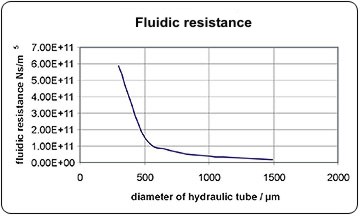
Problems: Fluidic resistance
Because of the small dimensions of the diameter the fluidic resistance of the hydraulic tubes is not non-trivial issue and restricts the dynamic parameters of the actuator.


Timing of controlling
The area in the device is very small, so the quantity of the tubes must be minimised and the pumping volume is to be reduced.
 
Impressing of a phaseshifting
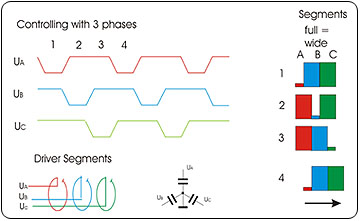
The walking waves over the surface are produced with 3 impressed cyclic waves with a phaseshifting of 120º. At least 3 waves are necessary


Phaseshifting through constructive configuration
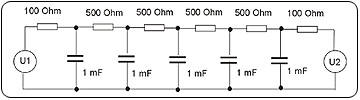
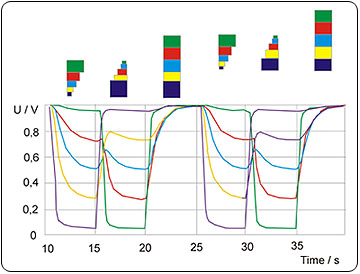
Less than 3 necessary waves are produced outside of the device. In this example 2 phaseshifting waves are shawn. The other necessary waves are generated in the device through time delays.


For questions or comments, please contact: pademis@tu-ilmenau.de